


Account


Main menu
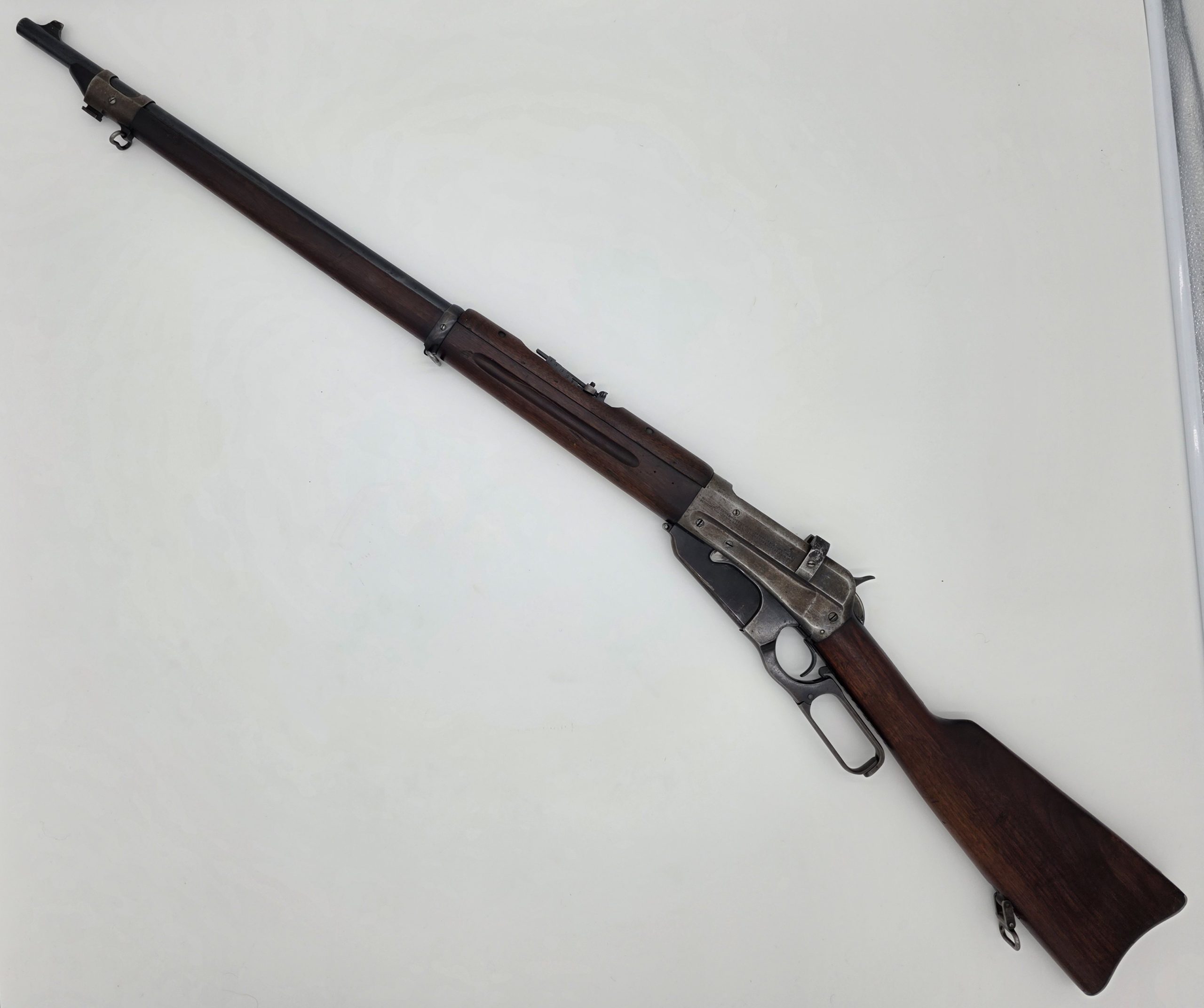
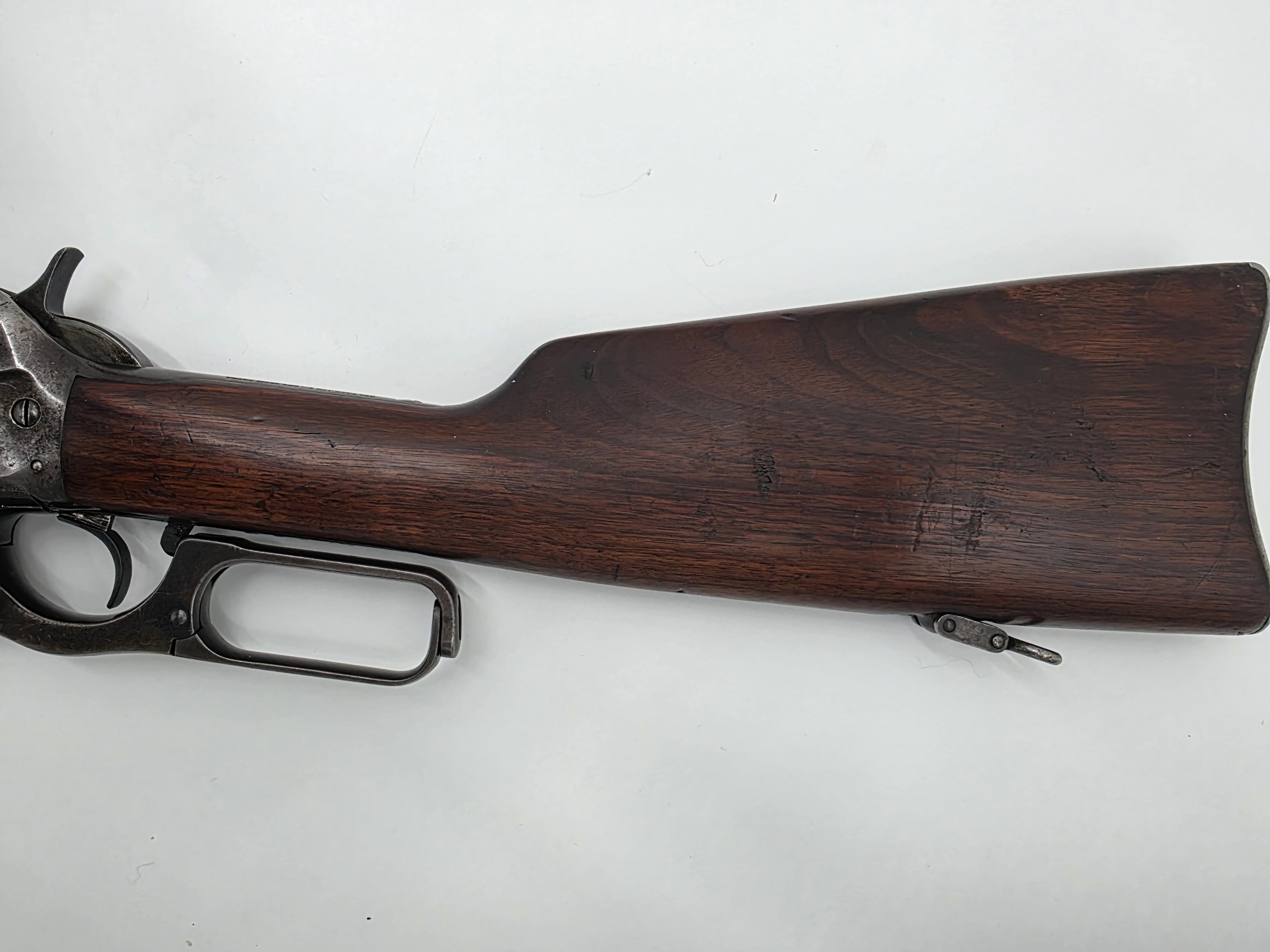
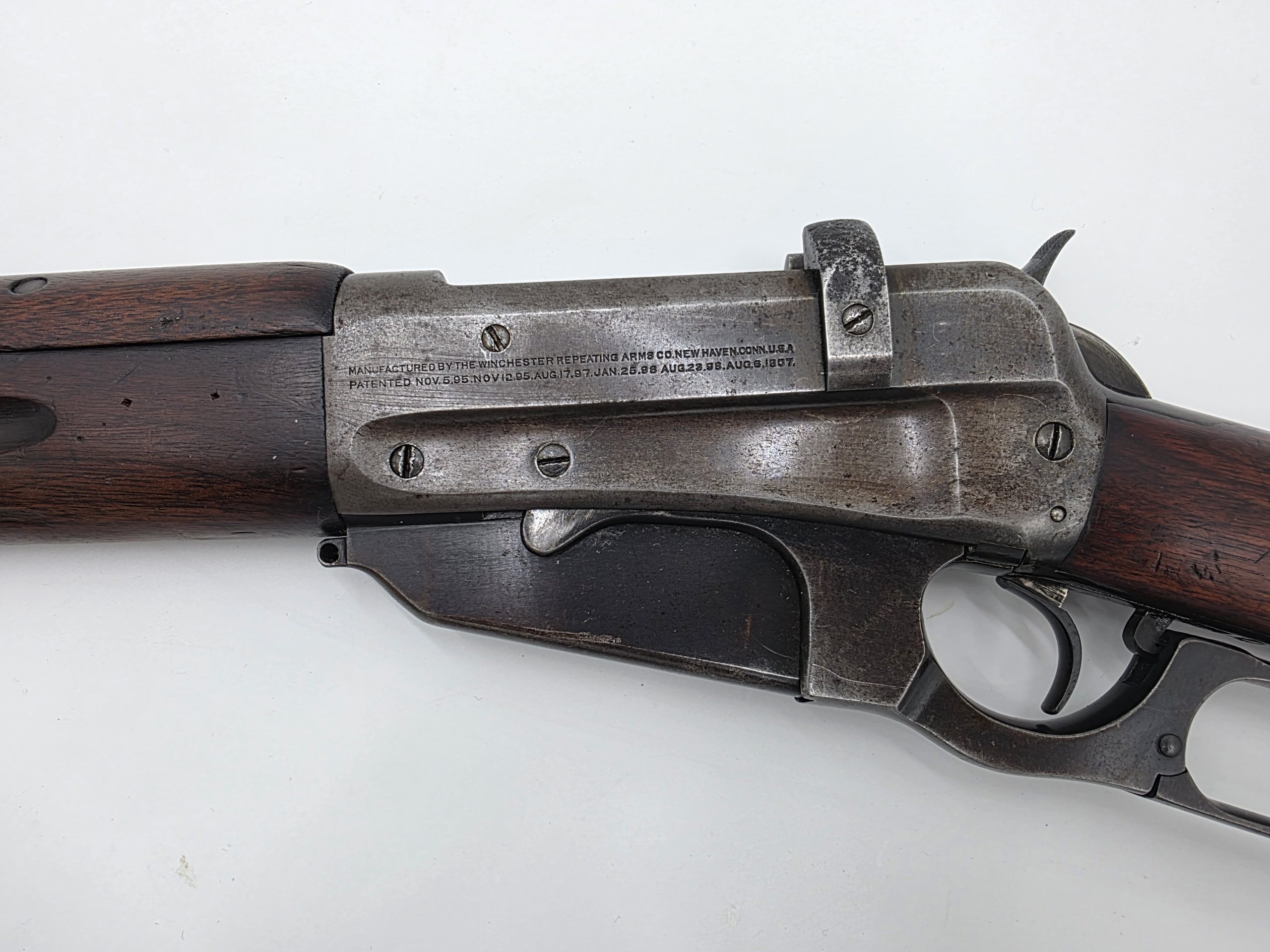
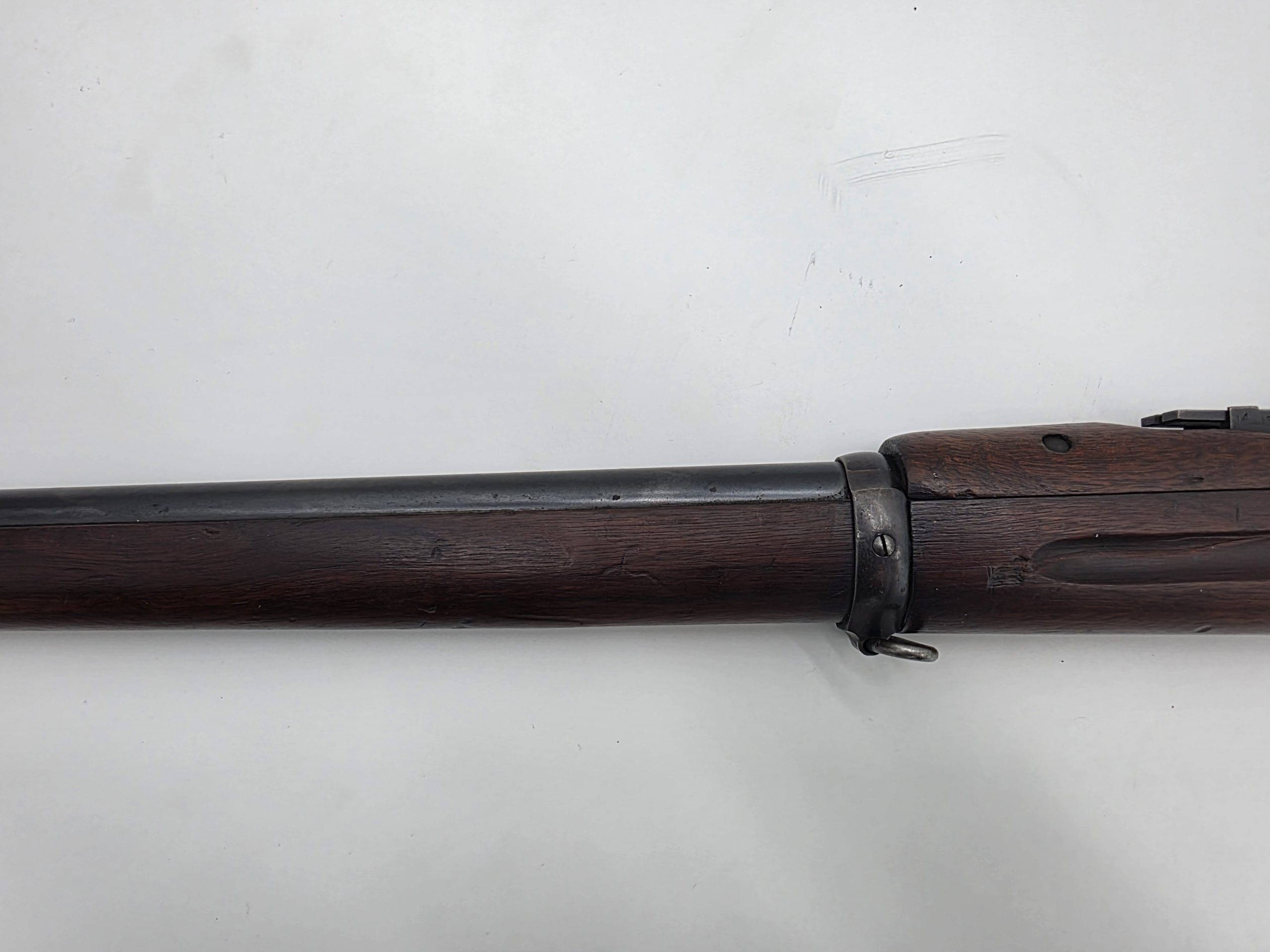
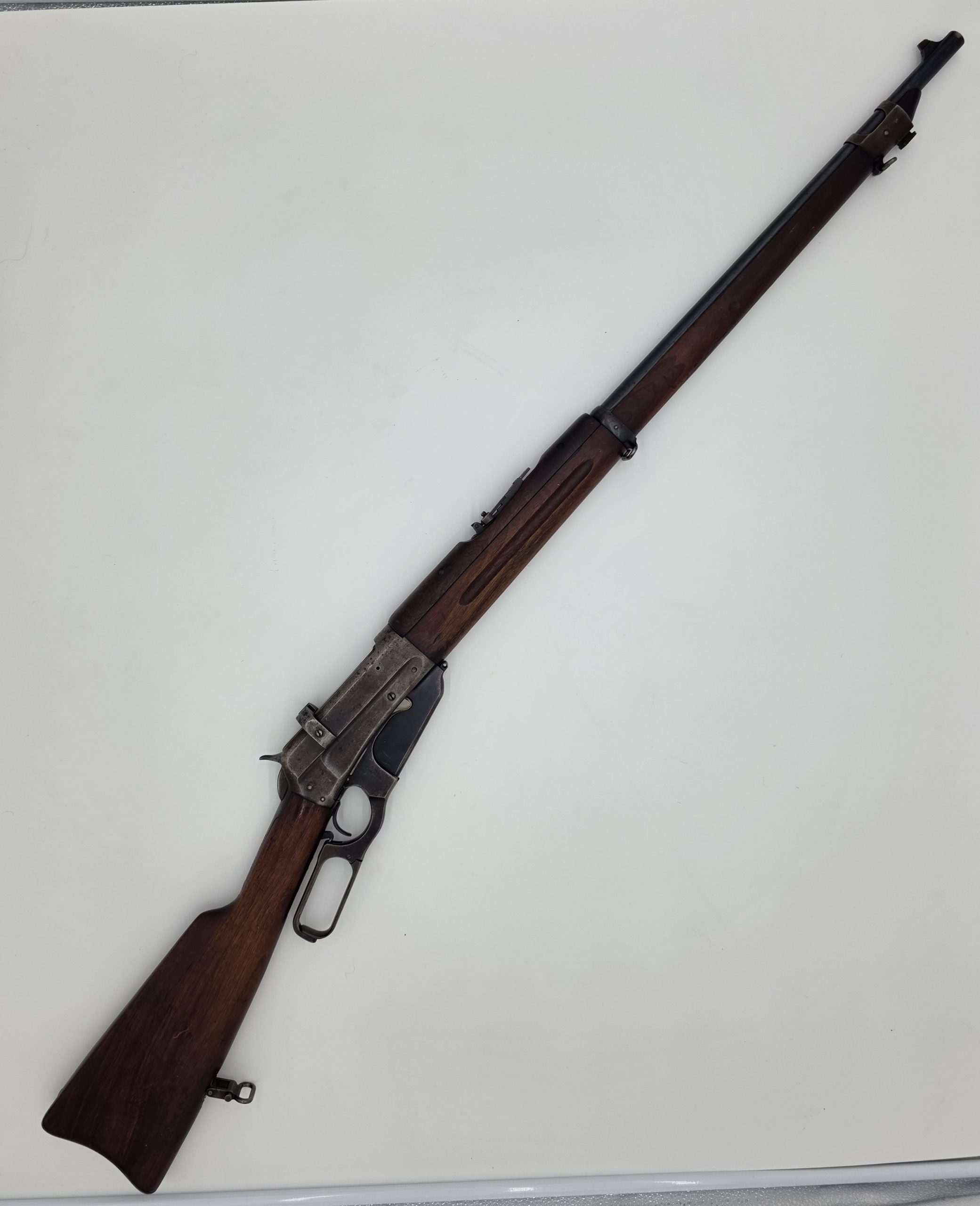
Winchester 1895 – Import – 7.62x54R – Rare
$5,200.00
Winchester 1895 – Import – 7.62x54R – Rare
Out of stock
Want to be notified when this product is back in stock?
Availability: Out of stock
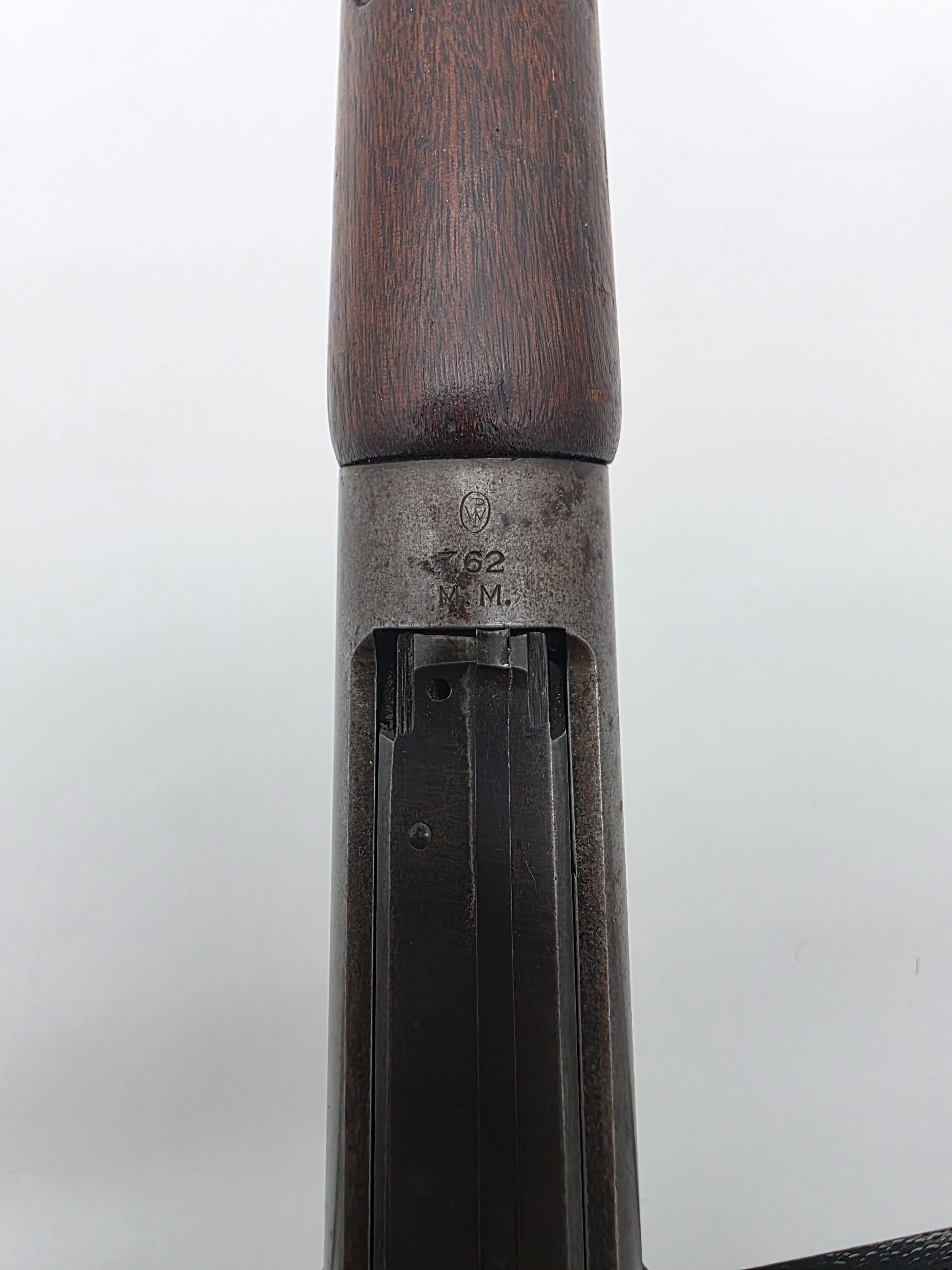
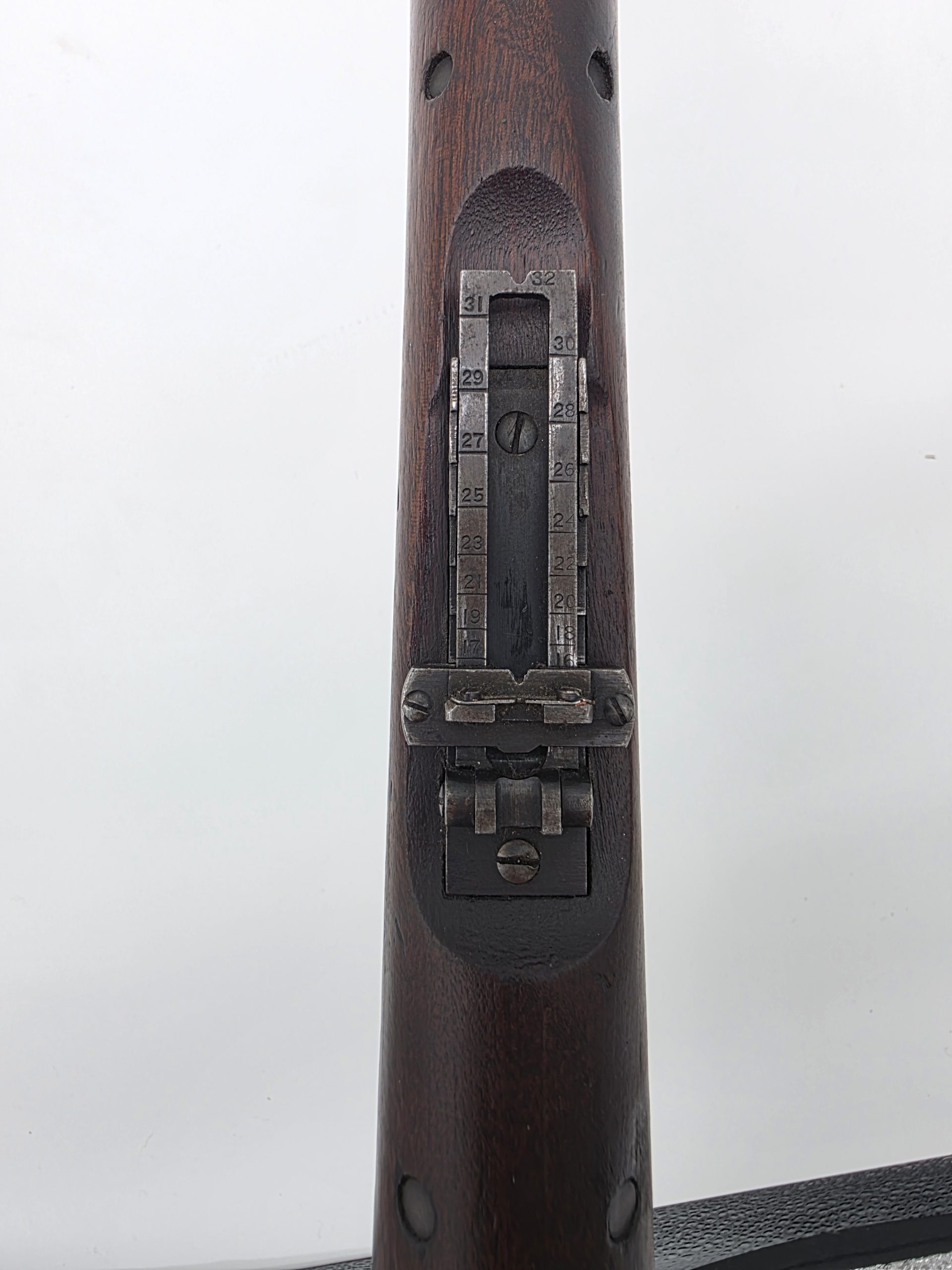
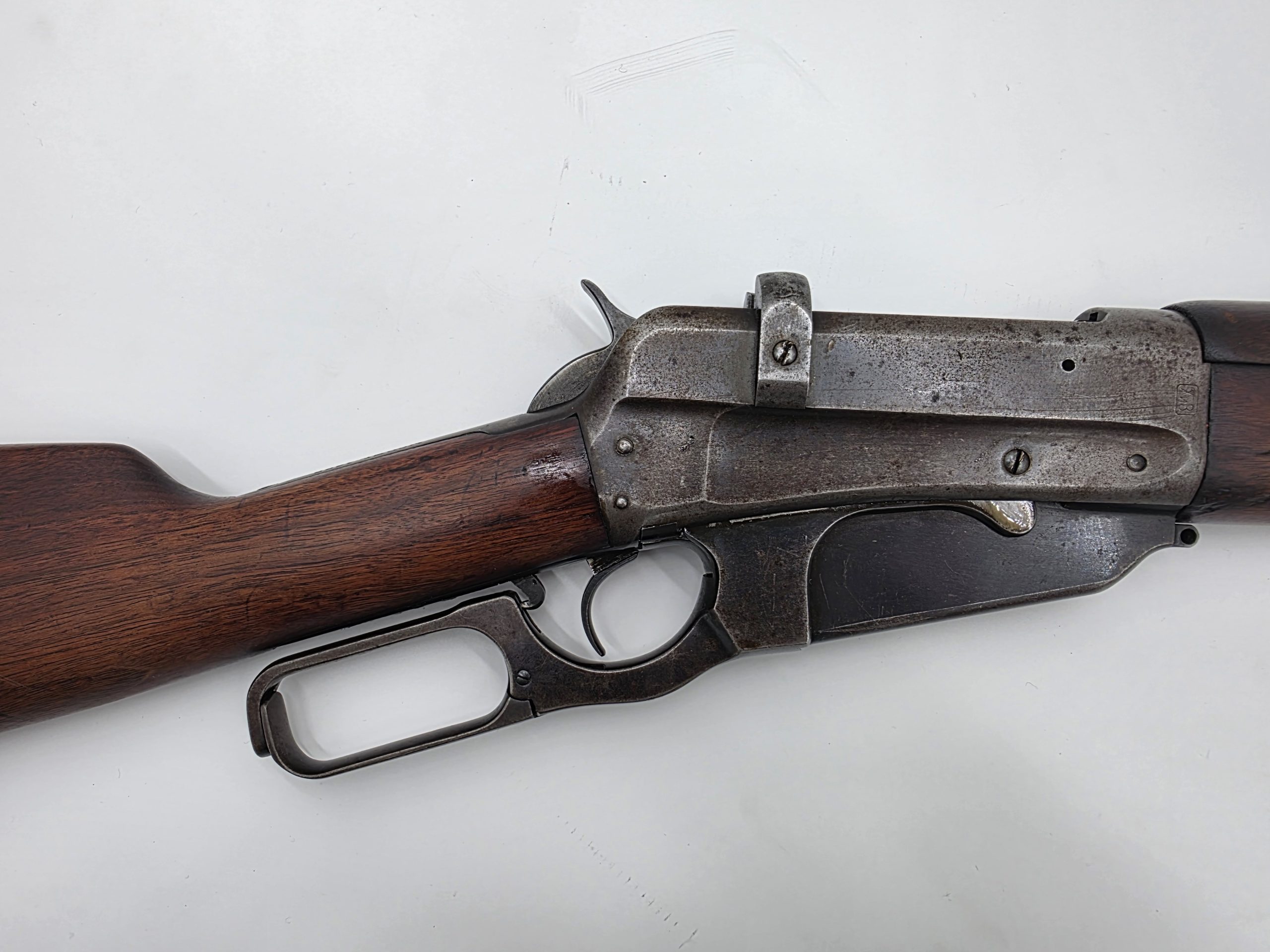
The Winchester Model 1895 occupies an unusual niche in arms history: a lever-action repeating rifle adopted, in large quantity, by a major European power in the First World War. The Winchester Model 1895 was one of John Browning’s later designs and among the most powerful lever-action rifles ever produced by Winchester. Unlike earlier Winchester lever rifles that used a tubular magazine, the 1895 introduced a fixed box magazine beneath the action, which permitted the safe usage of pointed (spitzer) bullets. This was a critical innovation for military use, as more advanced cartridges with higher pressures and spitzer bullets were increasingly standard around 1900. Winchester built the Model 1895 in a variety of chamberings over its life (e.g. .30-40 Krag, .303 British, .30-06, and .405 Winchester), but the version sold to Russia was in 7.62×54 mmR, the same cartridge used by the Russian Mosin-Nagant rifles. That is what we have here for auction.
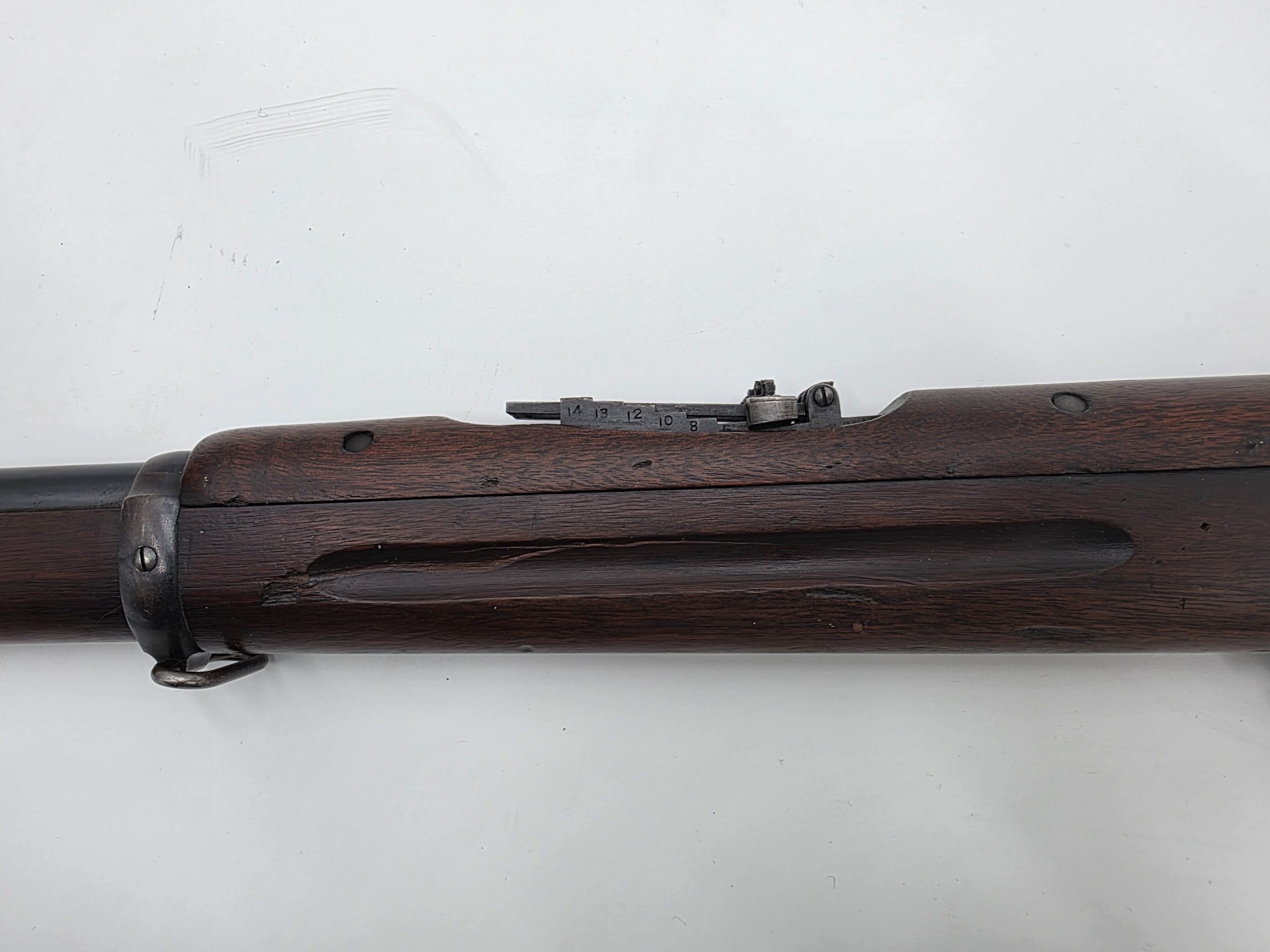
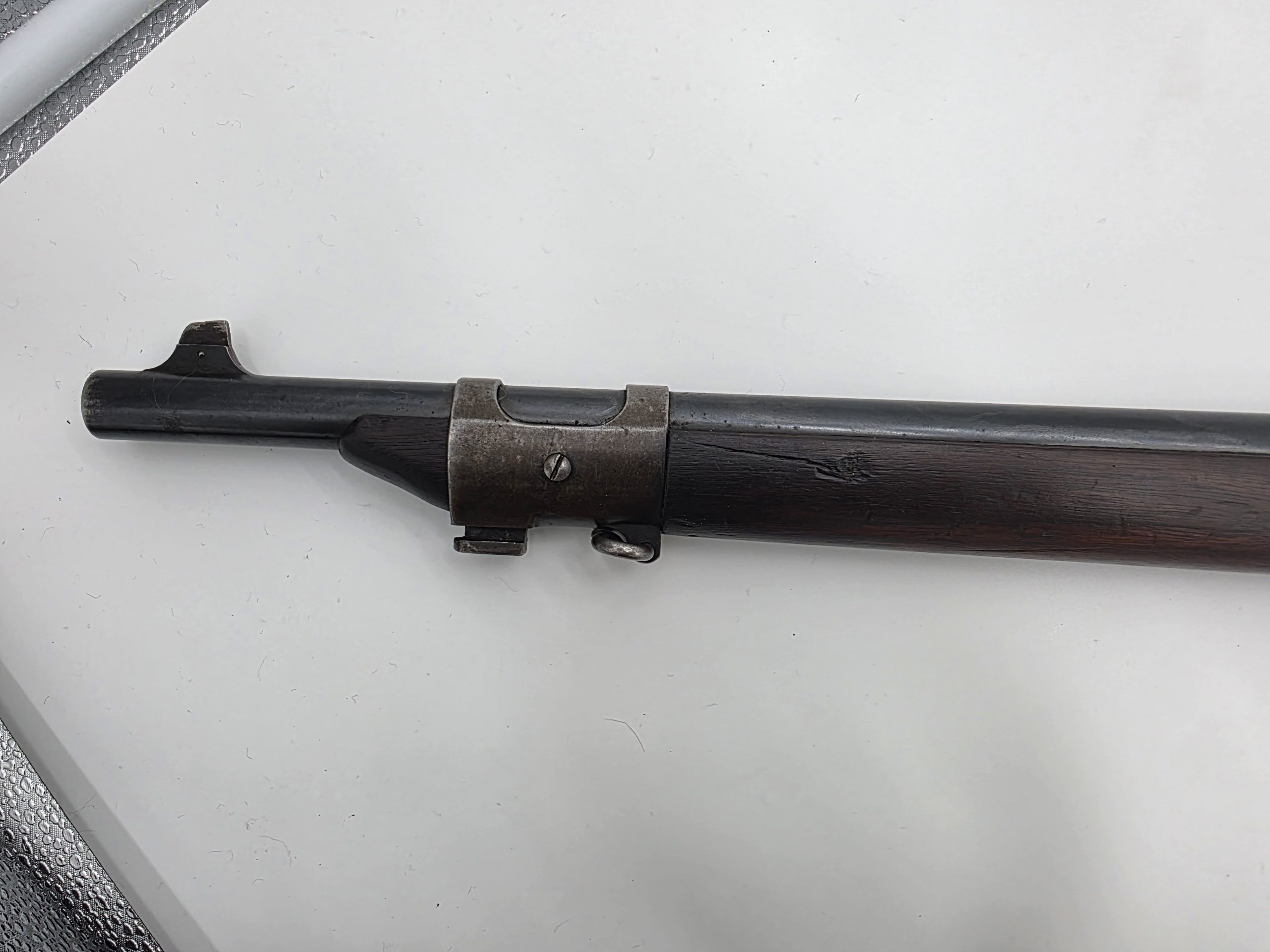
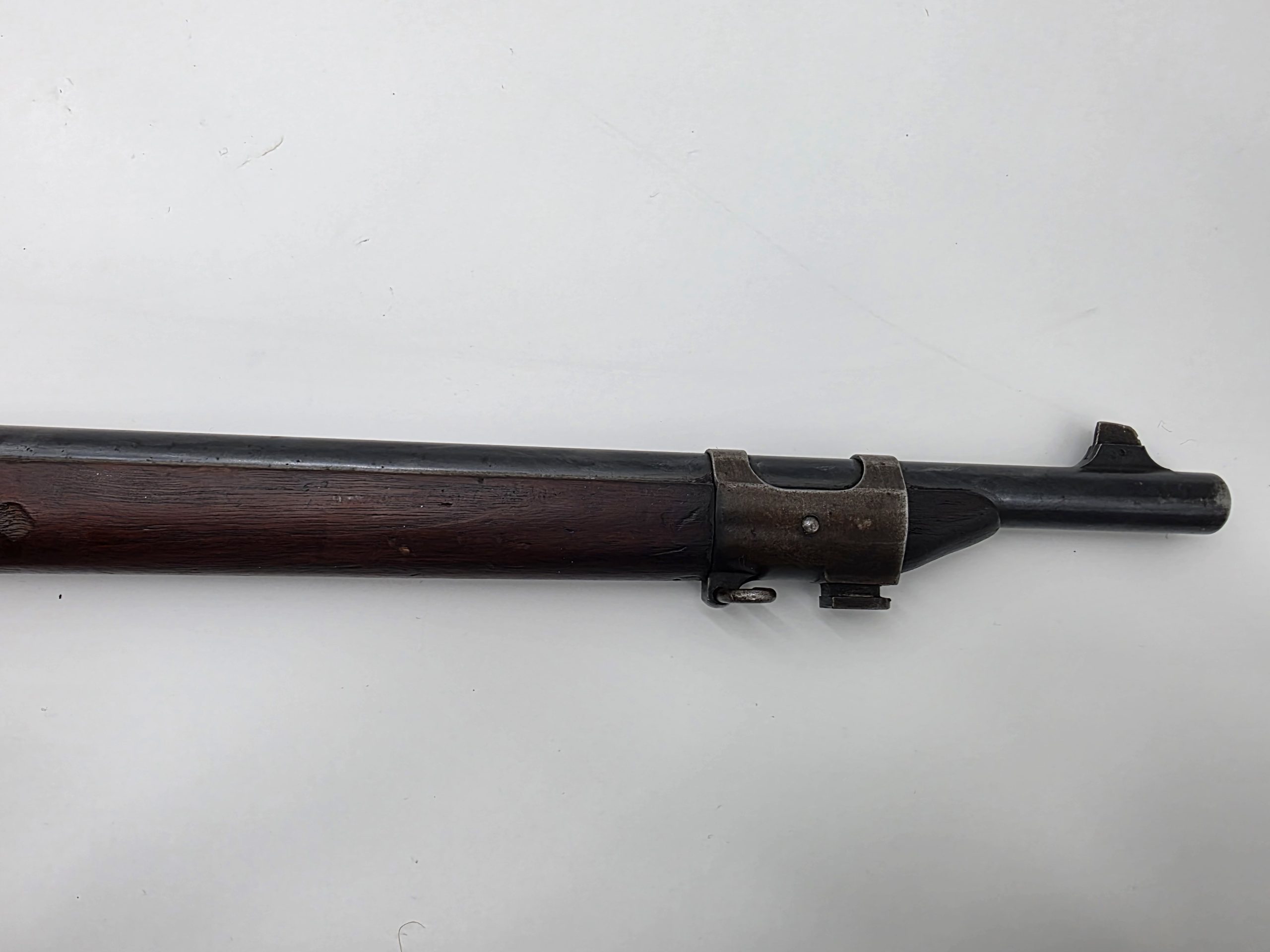
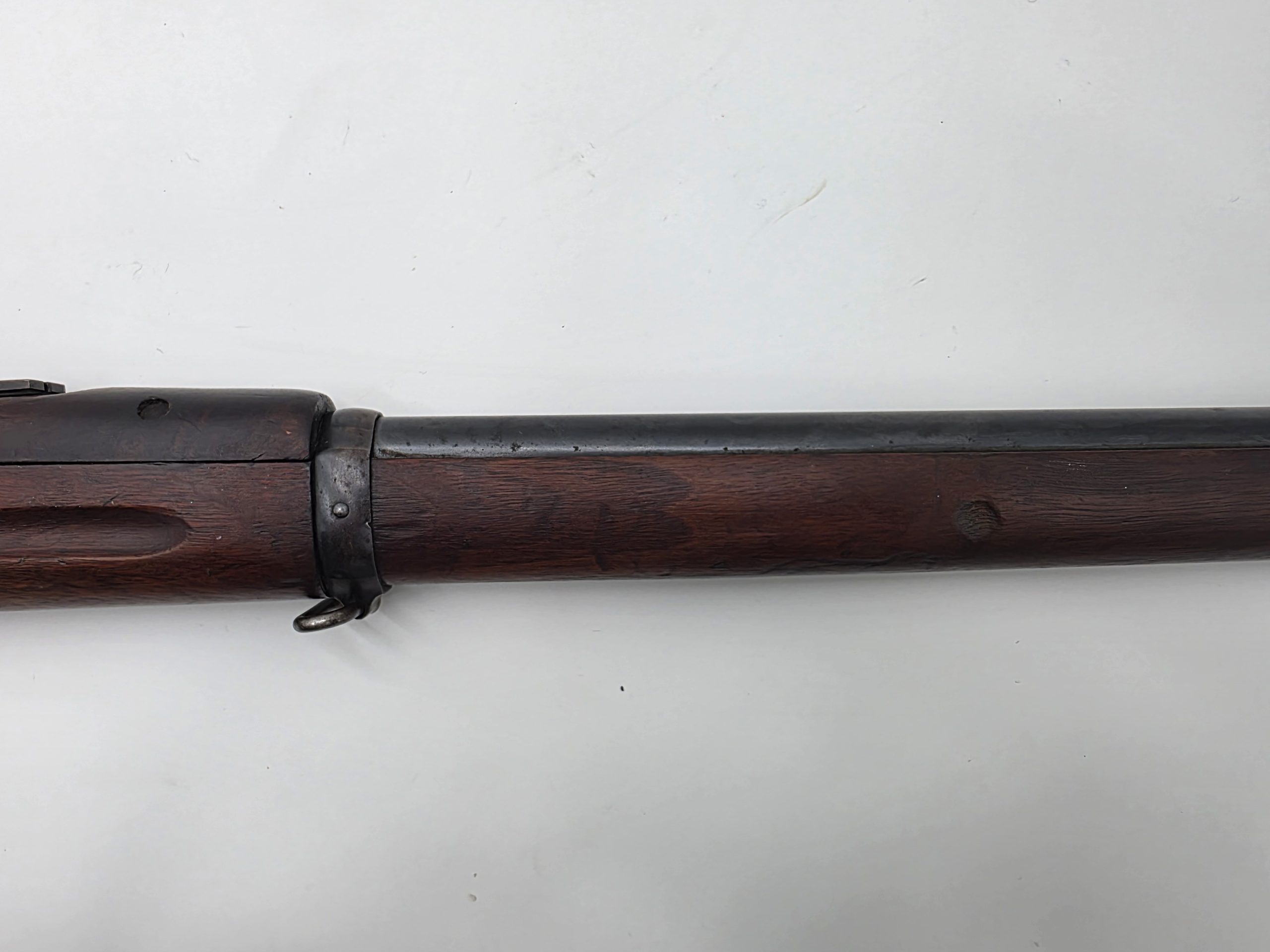
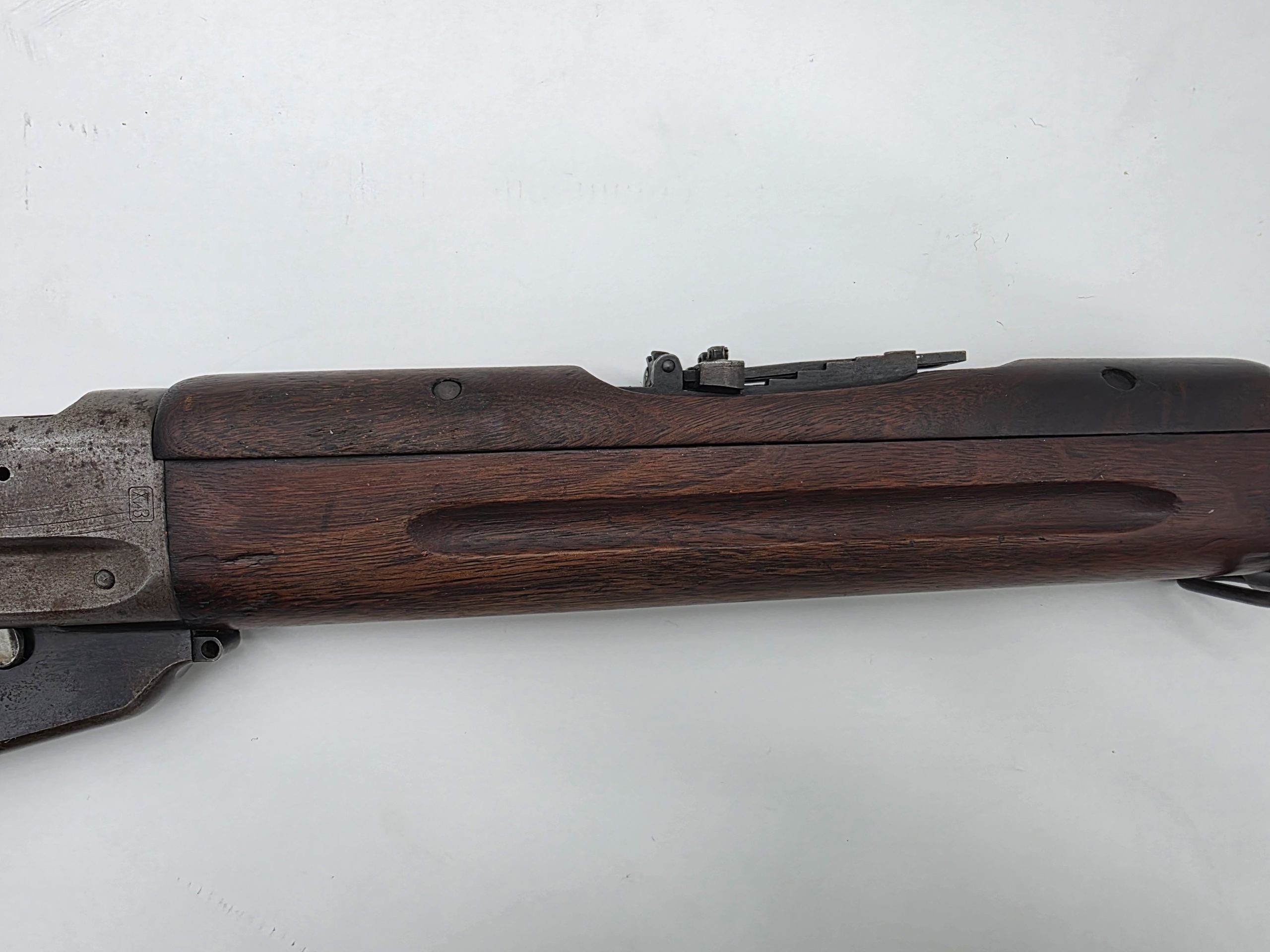
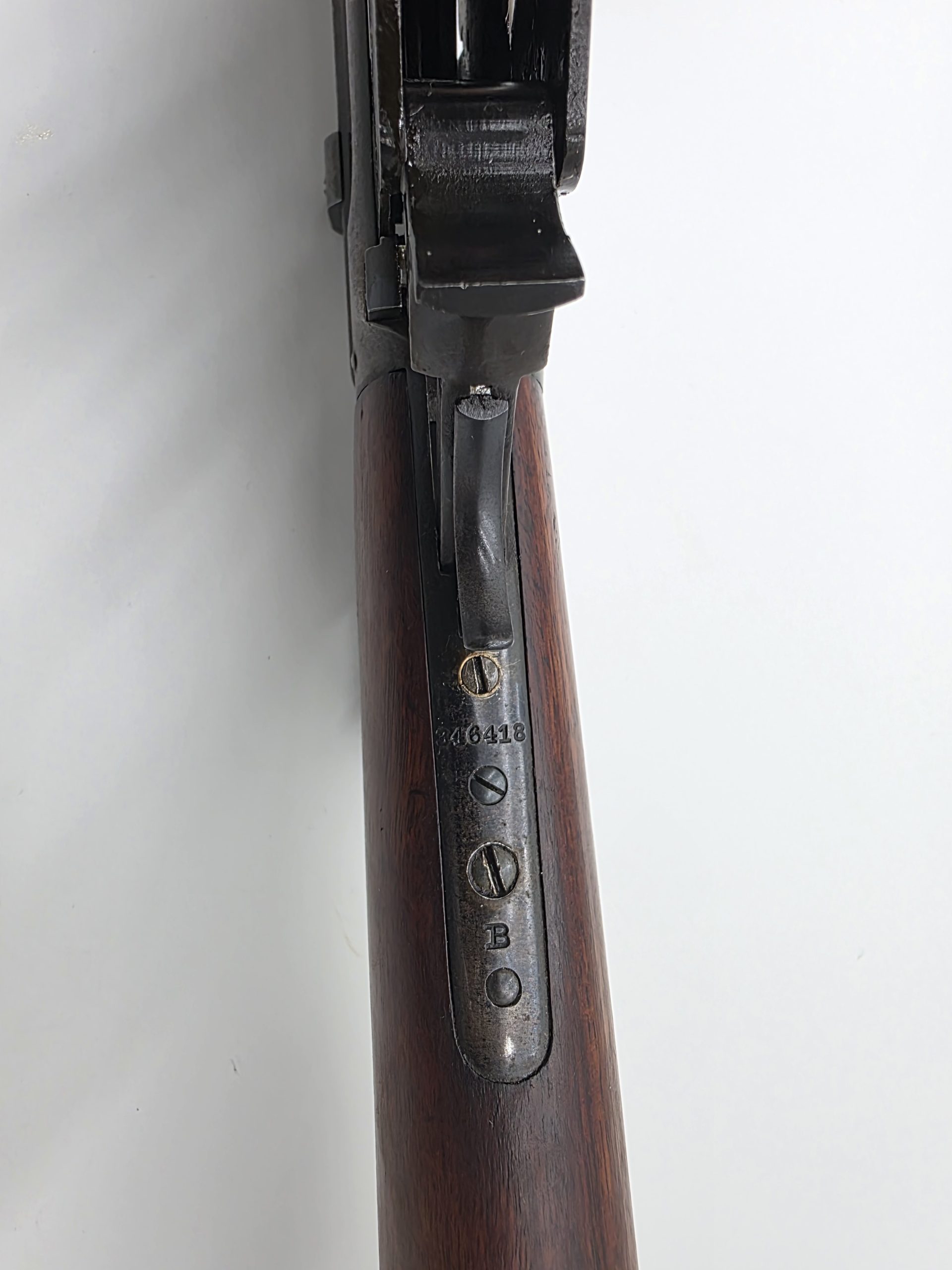
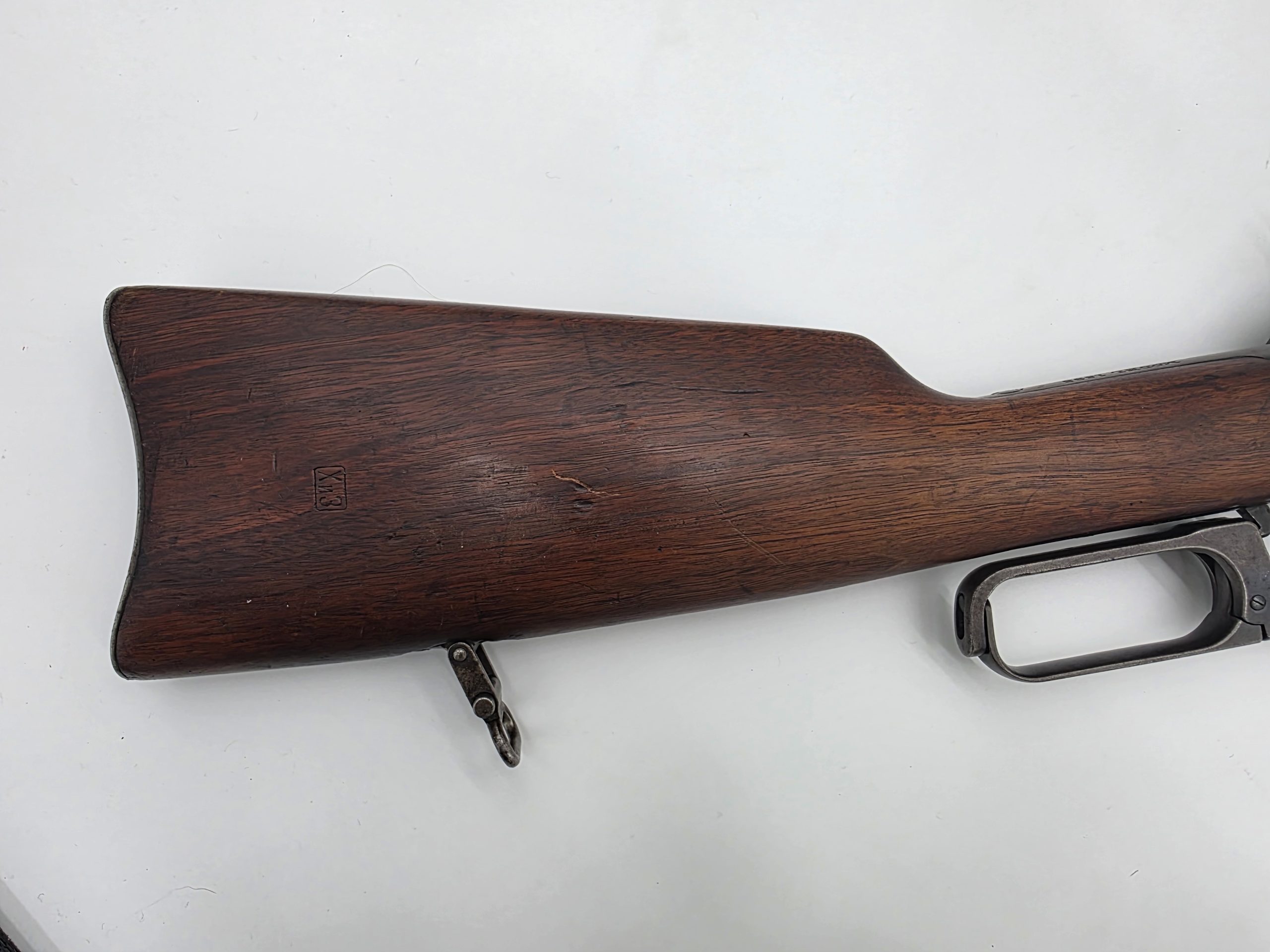
This particular example is one of the rare types that was made for the Imperial Russian contract but instead ended up in Finland serving with anti-communist Finns in their 1919 struggle for independence before eventually defaulting into private hands. This rifle, serial number 346418, was one of the last rifles made and thus likely never made it into Russian service. This example is in completely original condition with no modifications of any kind. The original wood is in good condition and the rifle itself is in very good mechanical condition. There is some superficial tarnishing on the reciever exterior and one of the two stripper-clip feed guides has moderate external pitting that has been previously cleaned and mitigated. The bore is bright and has sharp rifling. Its US compliant import markings have been applied in as subtle a way as is lawful to preserve its value. This auction will be the first time this rifle has been in the hands of an American in over a century and represents a unique opportunity to own a piece of history.
Mechanically, the Russian contract version differed from standard civilian versions in several respects: it had an extended forestock and longer barrel, a bayonet lug, and — especially — stripper-clip guides (in effect a loading bridge) so that the fixed box magazine could be reloaded using the same 5-round Mosin-Nagant clips familiar to Russian troops.
From a technical and military perspective, the Russian purchase of the Winchester Model 1895 is remarkable as the largest military procurement of a lever-action rifle by a major power (sometimes called “the largest military lever-action purchase ever”). It reflects the extreme pressures under which Russia operated in 1914–1916: immediate demand for arms, limited domestic industrial expansion, and willingness to adapt or adopt nontraditional weapons.
However, the Winchester 1895 was not ideal for mass military service: lever actions require more manual cycling and are more vulnerable to dirt and wear under heavy users. They also demanded a different maintenance pattern and had fewer spares in the Russian arsenal. In practice, the rifles filled a gap, but were not destined to supplant the standard bolt-action infantry rifles. Over time, logistical simplicity and uniformity favored the Mosin bolt-actions.
In the years after WWI, the Russian Winchester 1895s lingered through civil conflict, border wars, and ideological upheaval, before gradually being retired, sold, or melted down. Their transfer to Spain in 1936 gave them another chapter in their history, and many of the surviving specimens today are testimonies to a curious convergence of American lever-action design and Russian military emergency.
Out of stock
$4,000.00
Out of stock
$20,000.00

Already have an account? Log in

Don`t have an account? Create one

Enter the email address associated with your account and we’ll send you a link to reset your password.
added to cart!
Please confirm that you are 21 years of age or older to continue using the site
By entering this site you are agreeing to
the
Terms of Use
and
Privacy Policy
Purchasing through Citizens Armory Imports is simple—just four quick steps:


There are no reviews yet.